

ADHD in Kids & Teens
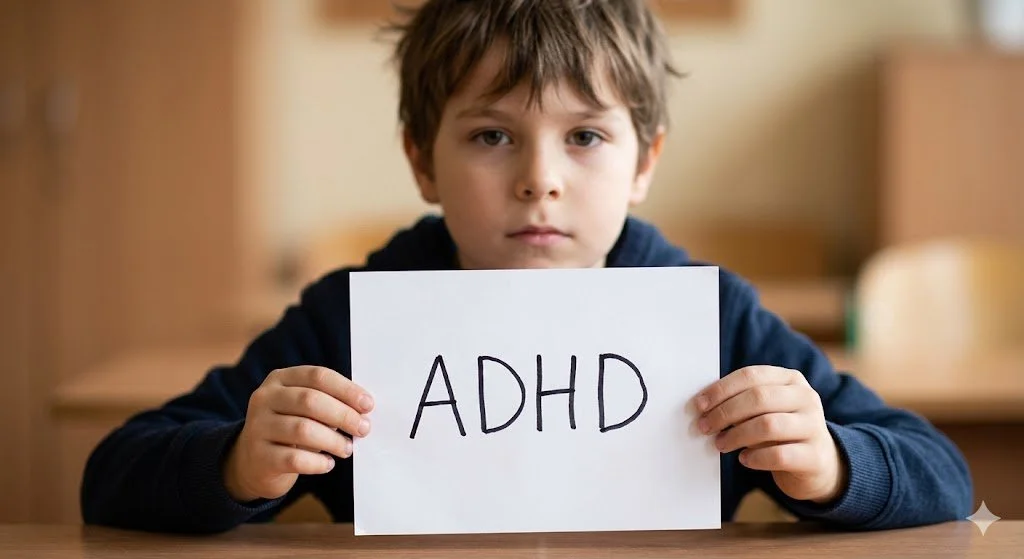
A Parent’s Guide from Preschool to High School
If you’re wondering whether your child’s big energy, meltdowns, or constant daydreaming might be ADHD, you are not alone. The American Academy of Pediatrics (AAP) provides clear guidelines to help parents understand ADHD from the preschool years all the way through high school.
In this parent‑friendly guide, you’ll learn what ADHD is, how it’s diagnosed, and how treatment typically changes across ages—so you can make informed decisions for your family.
What Is ADHD in Children and Teens?
ADHD (Attention‑Deficit/Hyperactivity Disorder) is a neurodevelopmental condition that affects attention, impulse control, and activity level. Kids and teens with ADHD may be easily distracted, seem “always on the go,” struggle to finish tasks, or quietly zone out and daydream.
The AAP recommends that pediatricians evaluate any child or teen ages 4–18 who has ongoing academic or behavior problems plus signs of inattention, hyperactivity, or impulsivity. ADHD is not about laziness or “bad” parenting; it’s about how the brain is wired, and with support, kids can absolutely thrive.
How ADHD Is Diagnosed: What Parents Can Expect
ADHD Diagnosis Uses DSM‑5 Criteria
ADHD is not diagnosed with a single test or quick office visit. Clinicians use DSM‑5 criteria, which require that symptoms:
Last for several months
Cause real problems in daily life
Show up in at least two settings (for example, home and school)
Your child’s pediatrician or other qualified clinician will gather information from multiple sources to make an accurate diagnosis.
Information Gathered from Home and School
To understand your child’s behavior across settings, clinicians typically:
Ask you detailed questions about home life, emotions, routines, and family history
Request teacher input about attention, behavior, and learning at school
Use standardized ADHD rating scales (like Vanderbilt forms) completed by parents and teachers
Because ADHD symptoms must be present in more than one setting, feedback from school or daycare is essential—not optional.
Ruling Out and Identifying Other Conditions
The AAP guideline emphasizes checking for other conditions that can mimic or co‑exist with ADHD, such as anxiety, depression, learning disabilities, autism, or sleep disorders like sleep apnea. Many kids with ADHD have at least one additional diagnosis, so a thorough evaluation matters for getting the right kind of help.
ADHD Treatment: Why It’s a Long‑Term Plan
The AAP recommends treating ADHD as a chronic condition, similar to asthma or diabetes, because symptoms and life demands change as kids grow. Good ADHD care includes:
Regular follow‑up appointments
Ongoing communication with school
Adjusting strategies and medications over time
Instead of a one‑time fix, think of ADHD treatment as building a flexible toolbox that can grow with your child—from preschool through the teen years.
ADHD in Preschoolers (Ages 4–5)
Early ADHD Signs in Preschool
Many preschoolers are busy, impulsive, and emotional—that’s part of being little. But for some children, these behaviors are more intense, more frequent, and cause serious problems at home, in daycare, or in preschool. Signs can include:
Constant movement or difficulty sitting for short activities
Big, long‑lasting tantrums or meltdowns
Trouble following simple directions or routines
Aggression toward peers or siblings
If you’re concerned, it’s worth talking with your pediatrician about an ADHD evaluation starting at age 4.
Behavior Therapy Comes First for Preschool ADHD
For children ages 4–5, the AAP recommends behavior therapy—especially parent training in behavior management—as the first‑line treatment. In these programs, you learn practical tools to support your child’s nervous system and reduce challenging behaviors, such as:
Positive attention and praise for specific behaviors
Predictable routines and visual schedules
Calm, consistent limits and consequences
Strategies for smoother transitions (leaving the park, bedtime, getting dressed)
Research‑based parent training programs (like Incredible Years, Triple P, and Parent‑Child Interaction Therapy) have strong evidence for helping preschoolers with ADHD‑type behaviors.
When Is Medication Used in Preschoolers?
The AAP states that methylphenidate (a stimulant medication) may be considered for 4–5‑year‑olds only when:
High‑quality behavior therapy has been tried
Symptoms remain moderate to severe and very impairing
In areas where behavior therapy is difficult to access, pediatricians should carefully discuss the risks and benefits of starting medication earlier versus delaying treatment. Your comfort level and values should be part of the decision‑making process.
ADHD in Elementary and Middle School (Ages 6–11)
ADHD and School Performance
In elementary and middle school, ADHD often becomes more visible as schoolwork becomes longer, more structured, and more independent. Kids may:
Lose assignments, forget homework, or leave work unfinished
Struggle to sit still or wait their turn
Have trouble listening, following multi‑step directions, or staying organized
Experience social difficulties or low self‑esteem
If these challenges are long‑standing and show up across settings, an ADHD evaluation is appropriate.
Gold Standard: Medication Plus Behavior Therapy
For children 6 and older, the AAP and CDC recommend FDA‑approved ADHD medication plus behavior therapy—ideally used together. This combined approach is often called the “gold standard” because:

Medication typically improves core symptoms like inattention, hyperactivity, and impulsivity
Behavior strategies and parenting tools help kids apply those improvements in real life
School accommodations reduce unnecessary barriers to learning
Stimulant medications are the most commonly used and have a strong evidence base; non‑stimulant options are also available.
School Supports and ADHD Accommodations
Educational interventions are considered a key piece of ADHD treatment, not an “extra.” Helpful school supports can include:
Preferential seating away from distractions
Extra time for tests and assignments
Breaking large tasks into smaller steps
Visual schedules and checklists
Movement breaks and quiet work spaces
Some children qualify for a 504 Plan or Individualized Education Program (IEP) to formalize accommodations. Regular feedback from teachers helps track how well the plan is working.
ADHD in Teens (Ages 12–18)
How ADHD Looks in Adolescence
For teens, ADHD may look less like “bouncing off the walls” and more like:
Disorganization, late or missing assignments, and poor time management
Procrastination and difficulty starting tasks
Emotional outbursts or mood swings
Risk‑taking, such as substance use or unsafe driving
Academic expectations and social pressures rise in middle and high school, which can intensify ADHD‑related challenges.
Medication With Teen Buy‑In
For adolescents, the AAP recommends FDA‑approved ADHD medications with the teen’s assent—meaning your teenager should be part of the conversation and agree to treatment.
Therapy or coaching for teens often focuses on:
Executive functioning skills (planning, organization, time management)
Emotional regulation and coping with frustration
Safe decision‑making around peers, substances, and driving
Self‑advocacy at school and, eventually, at work
Clinicians are encouraged to screen teens with ADHD for anxiety, depression, learning disorders, and substance use, as these are common and affect treatment.
ADHD Medication Basics: Titration and Monitoring
What “Titration” Means
When a child or teen starts ADHD medication, doctors usually begin with a low dose and gradually increase it—this process is called titration. The goal is to find the lowest dose that provides clear benefits with minimal side effects.
During titration, your child’s clinician will typically:
Check in frequently (often every few weeks at first)
Ask about focus, behavior, appetite, sleep, and mood
Adjust dose or switch medications if needed
You can help by noticing patterns and, if helpful, jotting down brief notes about behavior and side effects between visits.
Safety and Ongoing Follow‑Up
Before prescribing, your child’s doctor should ask about heart history, other medications, and any major medical issues. Once a stable dose is reached, regular follow‑up visits help ensure the medication still fits as your child grows and school demands change.
ADHD Rarely Travels Alone: Co‑Occurring Conditions
Many children and teens with ADHD also live with at least one additional condition, such as anxiety, depression, learning disorders, autism spectrum disorder, or sleep problems. The 2019 AAP update added specific guidance to screen for and treat these co‑existing conditions, not just ADHD symptoms.
This matters because:
Untreated anxiety or depression can blunt the benefits of ADHD treatment
Learning disorders can make school harder even when attention improves
Sleep problems can worsen inattention, mood, and behavior
If your child already has a 504 Plan, IEP, or previous diagnoses, share that information during the ADHD evaluation so the whole picture is considered.
How Parents Can Support Kids with ADHD at Every Stage
No matter your child’s age, you are a crucial part of the ADHD care team. The AAP and other major organizations highlight several powerful ways parents can help:
Seek a thorough, guideline‑based evaluation if you notice long‑term struggles at home and school
Ask specifically about behavior therapy or parent training, especially for children under 12
Partner with your child’s school to request appropriate accommodations and supports
Stay in regular contact with your child’s clinician during medication changes
Advocate for screening of learning difficulties, anxiety, depression, and sleep issues—not just “attention problems.”
With the right combination of medical care, behavior strategies, school supports, and emotional understanding, children and teens with ADHD can build a life that fits how their brain works—and parents do not have to navigate this alone.
Schedule a free 15‑minute consultation today to explore ADHD‑informed support for your family at Dr.TCottle@proton.me